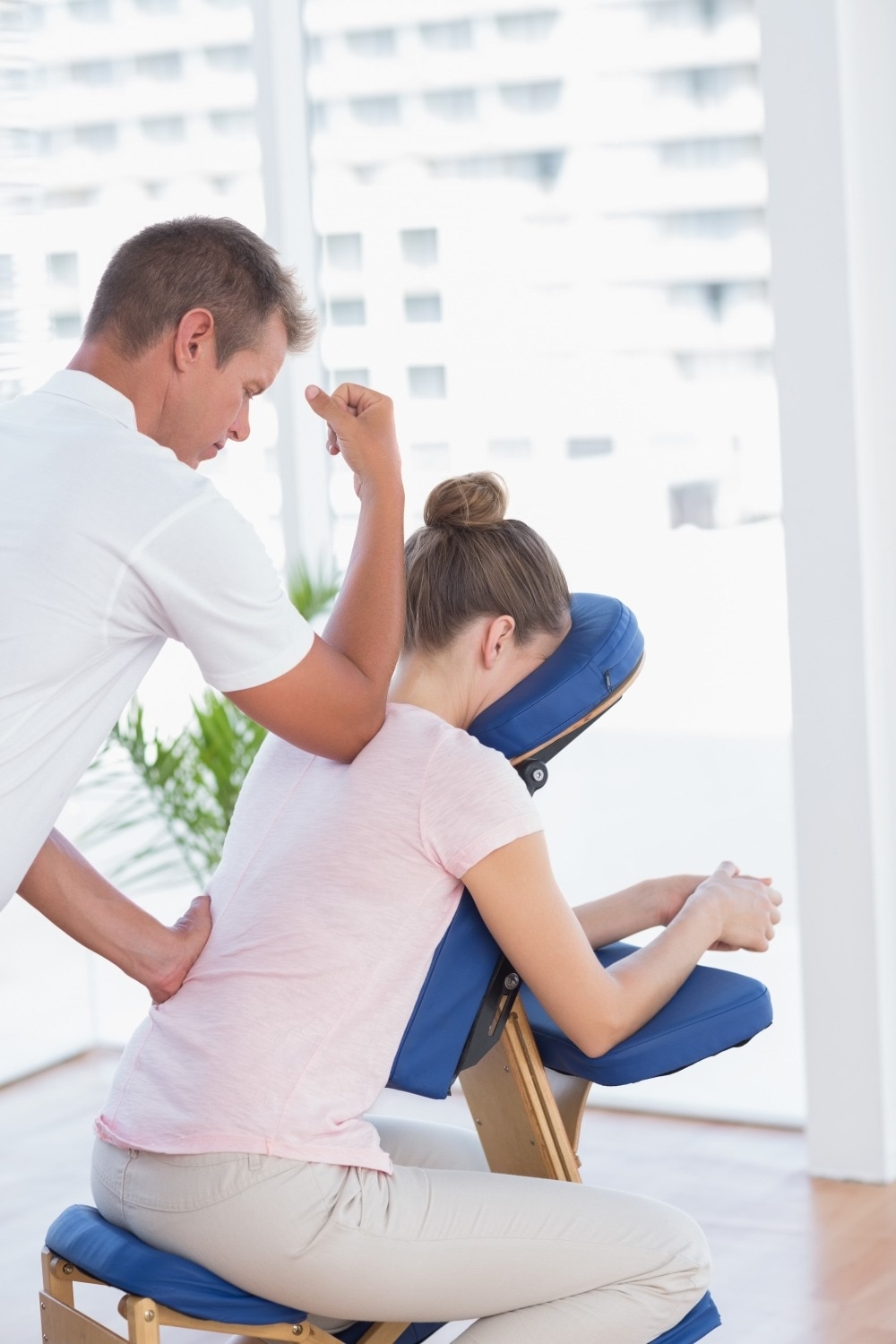



The right provider depends on what is causing your symptoms, how urgently you need care, and whether you need diagnosis, rehabilitation, medication, or surgery. Use the checks below to match your concern with the appropriate professional, assess a clinic’s safety standards, and compare progress using measurable improvements in daily function.
Key takeaways
- Match your condition to the provider’s training and scope of practice.
- Verify credentials, referral pathways, treatment risks, and follow-up arrangements.
- Expect a history, movement assessment, examination, and clear working plan.
- Measure progress by pain, strength, mobility, function, and daily activity.
Which provider should you choose for your specific problem?
Match the problem to the professional before comparing clinics. An OrthopedicClinicInPune is a service setting, not a qualification. Check who examines you, what they can treat, and when they refer you.
| Provider | Best fit |
|---|---|
| Orthopedic surgeon | Suspected fracture, complete ligament rupture, severe structural damage, or symptoms that persist despite conservative care; evaluates whether surgery is needed. |
| Sports-medicine physician | Exercise and sports injuries, load management, and graded return-to-play decisions. |
| Physiotherapist | Movement, strength, range of motion, balance, walking, and functional rehabilitation. |
| Exercise-based musculoskeletal clinic | Persistent joint or movement problems when a regulated professional assesses you and refers cases outside the clinic’s scope. |
| Multidisciplinary rehabilitation centre | Coordinated access to doctors, physiotherapists, occupational therapists, exercise specialists, and related services. |
Seek emergency care for:
- A visibly deformed joint
- Inability to bear weight after trauma
- A hot, swollen joint with fever
- New bowel or bladder loss, saddle-area numbness, or rapidly worsening weakness
Arrange urgent medical assessment after major trauma, with suspected infection, unexplained weight loss and back pain, or several swollen joints with prolonged morning stiffness. Inflammatory arthritis needs medical management and, when appropriate, referral to a rheumatologist; exercise cannot replace disease-modifying treatment.
Choose a clinic that provides a review date and refers worsening neurological symptoms, fever, increasing swelling, or failure to improve instead of automatically extending sessions.
How can you verify an orthopedic clinic before booking?
An OrthopedicClinicInPune is a service setting, not a professional qualification. Before booking, verify the person who will evaluate you.
1. Ask for the clinician’s full name, professional title, registration number, and scope of practice. Check an Indian medical practitioner through the National Medical Commission’s Indian Medical Register; do not rely on branding, testimonials, or social media. Confirm whether the provider’s MusculoskeletalCare approach fits your problem.
2. Ask whether the clinic can arrange X-rays, ultrasound, MRI, blood tests, and referrals when findings require them. Find out who reviews reports, where urgent cases are sent, and how you will receive results, warning signs, and follow-up instructions.
3. Request an explanation of the working diagnosis, alternatives, expected benefits, uncertainty, fees, and reasons to stop or refer. Be cautious if staff promise one technique for every condition, guarantee permanent posture correction, sell an indefinite package before examining you, or start exercises without screening for trauma, fever, neurological symptoms, medication risks, and inflammatory disease.
4. For oral anti-inflammatory advice, ask how the clinician checks kidney, liver, stomach, heart, pregnancy, and drug-interaction risks. A credible clinic gives a review point instead of continuing treatment automatically when pain worsens, swelling increases, weakness progresses, or function fails to improve.
What should happen during the first assessment?
Expect the first appointment to establish a working diagnosis and safe starting plan, not simply deliver passive treatment. The clinician should ask where the symptom occurs, when it began, what triggers or eases it, whether swelling or stiffness is present, what injury preceded it, which medicines you take, and which tasks you cannot perform.
Examination may include joint range of motion, muscle strength, walking or lifting mechanics, balance, swelling, pulses, sensation, reflexes, and nerve-tension tests.
Bring these items to support a safer JointPainTreatment assessment:
- Previous X-ray, MRI, ultrasound, and blood-test reports
- Current prescriptions and a list of relevant diagnoses
- A record of warning symptoms, such as fever, rapidly worsening weakness, or inability to bear weight
Before leaving, ask for the working diagnosis, home plan, exercise dosage, warning symptoms, follow-up date, and the exact point at which treatment will change or a specialist will be consulted.
| Test | What it helps assess | When it belongs in the plan |
|---|---|---|
| X-ray | Bone injury and some arthritic changes | When examination suggests a structural bone problem or results will change management |
| Ultrasound | Selected soft tissues and guidance for some procedures | When a specific tendon, fluid collection, or other accessible soft-tissue issue needs assessment |
| MRI | Ligaments, discs, cartilage, nerves, and other soft tissues | When detailed findings will change treatment |
| Blood tests | Infection, inflammatory arthritis, or systemic disease | When history or examination raises that concern |
Routine imaging is not automatically appropriate for uncomplicated osteoarthritis or non-specific low-back pain when the result will not change treatment.
How should you compare treatment choices and measure improvement?
Compare JointPainTreatment choices with the diagnosis, risks, recovery time, and your goal—not with the intervention that sounds most intensive.
| Option | Best fit | Main trade-off |
|---|---|---|
| Supervised exercise or physiotherapy | Strength, range of motion, balance, load tolerance, and confidence | Requires progression and regular participation |
| Medication | Short-term symptom control while function is restored | Oral non-steroidal anti-inflammatory drugs can affect the stomach, kidneys, liver, and cardiovascular system |
| Injection | A clearly identified pain source with a defined indication | Ask how long benefit is expected to last and what happens next |
| Surgery | Selected structural problems | Recovery, complications, and rehabilitation demands |
| Watchful waiting | Mild, stable symptoms that are safe to monitor | Requires a review date and warning signs |
Use oral anti-inflammatory medicine at the lowest effective dose for the shortest appropriate period. A MusculoskeletalCare clinic should screen for medical conditions, other medicines, and risks or coordinate that decision with your doctor.
Ask how progress will be measured. Record a baseline and repeat the same measure at reviews:
- Pain while climbing two flights of stairs
- Knee range of motion or walking distance
- Standing tolerance, lifting capacity, or single-leg balance
- Work participation or weekly training load
Separate brief pain relief from durable functional gain. A sports plan needs graded exposure and explicit return-to-sport criteria, not passive treatment alone. For knee osteoarthritis, strengthening, aerobic activity, and weight-management support can help; weight loss is neither a prerequisite for care nor cartilage repair.
What questions reveal whether a Pune clinic is the right fit?
The right clinic makes its plan visible before treatment starts: who assesses you, what they think is wrong, how progress will be measured, and when the plan changes.
Ask these questions before booking:
- What is the assessor’s full name, qualification, registration number, and scope of practice? “OrthopedicClinicInPune” describes a setting, not a professional qualification.
- Which findings would lead to an X-ray, MRI, blood test, or referral?
- What exercise or treatment dose will I follow: repetitions, frequency, intensity, and progression?
- Which measure will you repeat at review: walking distance, knee movement, lifting capacity, stair pain, strength, or balance?
- What should I do if pain worsens, swelling increases, strength declines, fever develops, or I still cannot bear weight?
For posture concerns, expect questions about workload, sleep, stress, strength, movement tolerance, and goals. A promise to permanently realign your spine through one technique is a warning sign.
| Option | What to expect | When it applies |
|---|---|---|
| Exercise-based MusculoskeletalCare | Dosage, progression, home plan, and review date | Stable problems suitable for non-invasive care |
| Orthopedic or sports-medicine referral | Diagnostic review and treatment alternatives | Suspected structural injury or failed improvement |
| Urgent or emergency assessment | Rapid examination and escalation | Fever, major trauma, inability to bear weight, or worsening weakness |
Pro Active Clinic can be judged by whether it explains its referral route and treatment limits, not by its session package. Choose a provider that explains observation, medication coordination, injection, surgery, or supervised exercise—and the next decision if the first plan fails.
Related services
Musculoskeletal and Postural Care At Pro Active Clinic, we support people living with common physical ailments such as neck, back, knee and shoulder pain, slip disc, carpal tunnel... View service → |
Sports Medicine and Performance Athlete Injury Prevention and Performance Support At Pro Active Clinic, we work with amateur and professional athletes to help them understand their bodies, reduce injury risk and support performance... View service → |
Frequently asked questions
Which provider should you choose for your specific musculoskeletal problem?
Choose a professional whose training matches your concern. Orthopaedic doctors assess suspected fractures, structural joint disease, severe injuries, and conditions that may need surgery. Physiotherapists and exercise-based clinicians address movement limitations, strength, posture, rehabilitation, and many non-surgical musculoskeletal problems. Ask for referral when symptoms fall outside the provider’s scope.
How can you verify an orthopedic clinic in Pune before booking?
Confirm who will examine you, check the clinician’s registration and qualifications, ask what conditions the clinic treats, and verify its referral process. Look for a clear consultation address, written fees, privacy practices, and follow-up arrangements. Do not rely on the clinic name alone.
What should happen during the first assessment?
The first assessment should cover your symptoms, injury history, medical conditions, medicines, work and activity demands, and treatment goals. The clinician should examine relevant movement, strength, balance, swelling, and function, explain the working diagnosis, and tell you whether tests or referral are needed.
How should you compare treatment choices and measure improvement?
Compare options by expected benefit, risks, time commitment, cost, home exercises, and review schedule. Track measurable changes such as pain during a named activity, walking distance, range of motion, strength, sleep, and work or sport function. Reassess the plan when progress stalls or symptoms worsen.
What questions reveal whether a Pune clinic is the right fit?
Ask who provides care, what diagnosis they suspect, what alternatives exist, how improvement will be measured, what you must do at home, when you should expect review, and which warning signs require urgent medical attention.