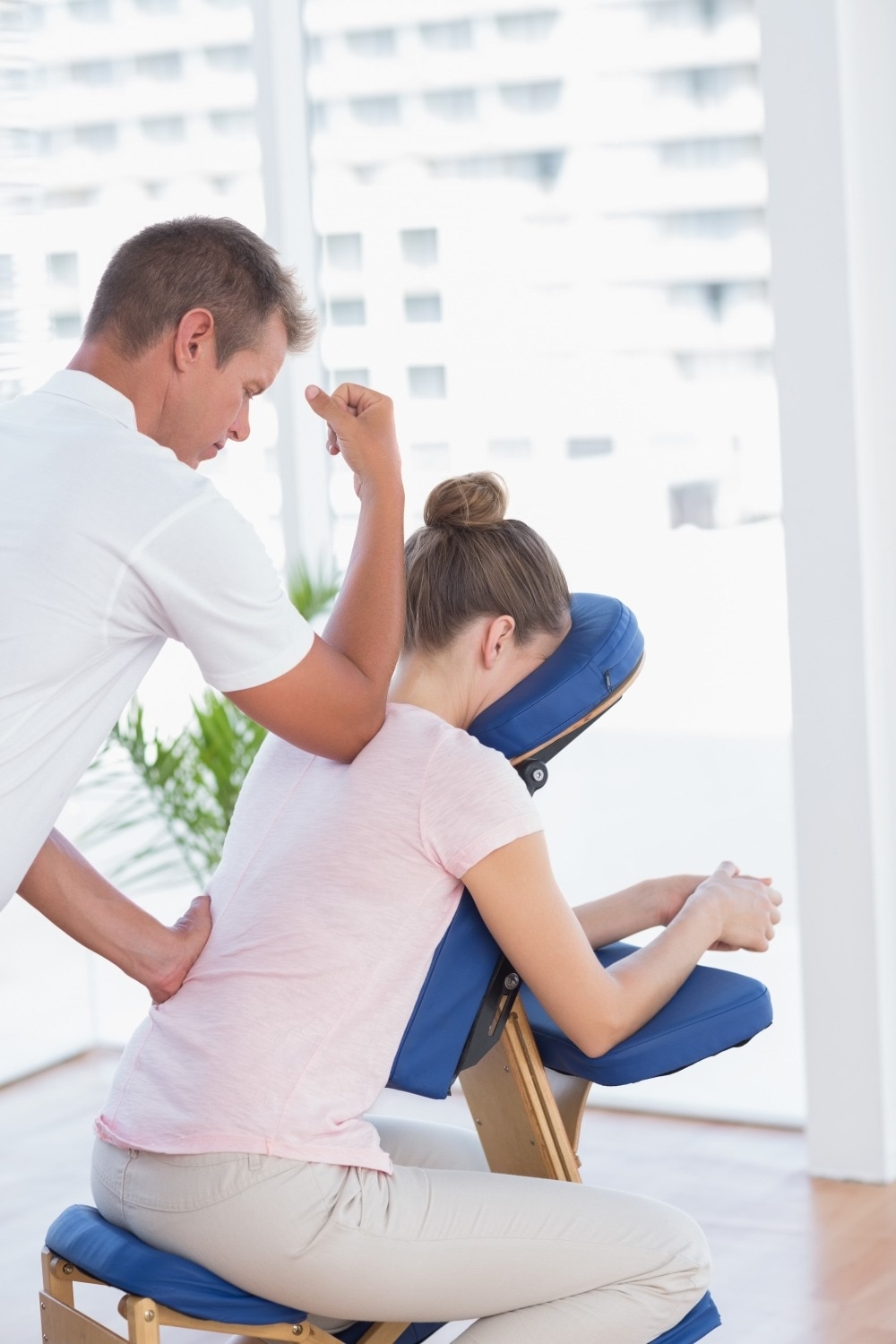



Pain, stiffness, fatigue and breathlessness can make exercise feel risky, yet avoiding movement altogether can reduce strength and daily function. You will learn how to choose safe breathing and movement strategies, adjust activity during flares, build a practical Pune routine and coordinate exercise support with medical care.
Key takeaways
- Start with your diagnosis, organ involvement, medications and current flare pattern.
- Use slow breathing, joint mobility, strength and balance work within symptom limits.
- Reduce exercise during flares; resume gradually when pain, fatigue and swelling settle.
- Seek medical review for new weakness, chest pain, severe breathlessness or neurological changes.
What should an autoimmune exercise assessment examine before movement begins?
Start with the diagnosis and current disease picture, not with the word “autoimmune.” Inflammatory arthritis, lupus, multiple sclerosis and myositis have different limits, organ effects and flare patterns.
1. Record joint pain and swelling, morning stiffness, fatigue, breathing symptoms, sleep, recent flares, balance, walking tolerance and stair tolerance.
2. Define functional goals and note how symptoms affect bathing, dressing, cooking, shopping, work, household tasks and other daily activities.
3. Ask the clinician to review organ involvement, current disease activity, prescribed medicines and recent treatment changes with your rheumatologist or other treating specialist.
4. Check for long-term glucocorticoid use, osteoporosis, existing bone disease, muscle weakness and fracture risk before choosing impact exercise, jumping or heavy loading.
5. Select a tolerable starting dose and identify the priority: mobility, strength, aerobic conditioning, balance or relaxation. Increase one demand at a time.
6. Establish measures to track after each session: recovery time, next-day fatigue, joint swelling, walking distance, stair use, sleep and participation in work or household tasks.
A session that improves flexibility but leaves you less able to function the next day needs adjustment. AutoimmuneConditionSupport means supportive exercise care that works alongside diagnosis, disease-control treatment and medication monitoring; it does not replace them. Reassess the plan when swelling, fatigue, pain or function changes.
How can breathing and five types of movement support function without provoking symptoms?
Use breathing as a low-load tool for rib-cage stiffness, pain-related shallow breathing, perceived breathlessness and stress regulation—not as a cure for autoimmune disease. Sit or lie comfortably, allow your lower ribs to expand without forcing a large inhale, then breathe out gently. Stop if you become dizzy, panicked, light-headed or more breathless.
Avoid prolonged breath-holding, forceful deep breaths and rapid breathing, especially with respiratory or cardiovascular disease. Persistent, new or exertional breathlessness needs medical assessment.
A practical MovementAndWellness plan separates five types of movement:
- Mobility supports joint range and comfortable spinal movement.
- Strength builds muscle and improves task capacity.
- Aerobic conditioning develops heart and lung endurance.
- Balance work helps reduce fall risk.
- Relaxation down-regulates tension and supports recovery.
Gentle stretching, yoga and mobility work are not automatically safe. Osteoporosis, cervical-spine instability, severe joint damage, vestibular symptoms or recent surgery may require you to avoid end-range loading, inversions, rapid transitions and forceful neck positions. Ask a clinician to adapt the movements rather than testing these limits yourself.
Progress one variable at a time: add repetitions, walking duration or resistance, not everything together. Check symptoms later that day and the following morning, including swelling, fatigue, pain, breathing and daily function. If recovery worsens, reduce the dose and seek advice.
What does a workable LifestyleManagement routine look like for Pune residents?
A workable LifestyleManagement routine starts with a repeatable baseline, not one ambitious workout followed by several days in bed. Spread chores, walking and exercise across the day, and increase duration or resistance only when recovery remains stable.
- Take brief work breaks to change position, move stiff joints and walk a few minutes instead of sitting continuously.
- Aim for at least seven hours of sleep. Ask a clinician about pain-related insomnia, loud snoring or witnessed pauses in breathing, morning headaches, restless legs or persistent daytime sleepiness.
- Schedule outdoor walks outside Pune’s hottest hours. If you have respiratory or cardiovascular vulnerability, check the local air-quality reading and move indoors when pollution is high.
- Carry water and reduce intensity in heat or humidity because dehydration raises perceived exertion. Stop for unusual weakness, dizziness or breathlessness.
- On travel days, request aisle access when possible, change position during long journeys and use gentle mobility rather than trying to compensate with a hard session.
- Keep a simple record of walking time, exercise dose, sleep and next-day fatigue. If recovery worsens, return to the last tolerable baseline.
A Mediterranean-style pattern built around vegetables, fruit, pulses, whole grains, nuts, olive oil and suitable protein supports general health, but no universal autoimmune diet or detox replaces treatment. Avoid restrictive elimination diets unless a qualified clinician identifies a clear reason and protects nutritional adequacy.
How should movement change for psoriasis, psoriatic arthritis and ankylosing spondylitis?
Skin severity does not predict how well your joints tolerate movement. If psoriasis comes with joint pain, swelling or morning stiffness, record skin changes and joint symptoms separately.
1. Psoriatic arthritis often responds well to progressive strengthening and aerobic activity. Reduce resistance, repetitions or impact around an acutely swollen or highly painful joint while medical treatment is reviewed. Do not stop moving every joint because one joint is flaring.
2. With ankylosing spondylitis, use comfortable spinal and hip mobility, frequent posture changes, strength work and aerobic conditioning to preserve daily function. Do not force stiff segments into painful end ranges; pain is not a flexibility target.
3. Resistance training is not automatically unsafe in inflammatory arthritis. Set the dose according to disease activity, joint stability, bone health and recovery. Long-term steroid use, osteoporosis or previous fractures require medically informed weight-bearing, resistance and balance work before high-impact exercise.
4. Check what happens after training. Ordinary soreness follows a new load and settles progressively. A flare is more concerning when swelling, morning stiffness, fatigue, fever or function worsens and stays elevated; sudden pain during a specific movement, bruising, instability or lost strength suggests injury. Do not push through a sustained decline.
This MovementAndWellness approach makes AutoimmuneConditionSupport practical: progress only when walking, sleep, daily tasks and next-day recovery remain stable. Share persistent changes with your treating clinician rather than trying to correct them with a harder session.
When should you seek medical review, and how should exercise support fit with treatment?
Stop exercise and seek prompt medical advice for any of these warning signs:
- A hot, markedly swollen joint
- New weakness or neurological symptoms
- Chest pain or severe breathlessness
- Sudden vision changes
- Unexplained fever
- Rapidly worsening pain
- Unusual shortness of breath or a sustained drop in walking and daily function
These symptoms need assessment, not a harder workout. A flare is not ordinary post-exercise soreness; worsening swelling, morning stiffness, fatigue or function that remains reduced also warrants review.
Keep the rheumatologist responsible for diagnosis, disease activity, and disease-modifying or immunosuppressive treatment. Involve a dermatologist for significant psoriasis, an orthopaedic specialist for structural or bone concerns, and a physiotherapist or exercise-based clinic for movement assessment and progression.
Before changing exercise, share your medication list, recent test results, flare pattern and post-exercise response. Ask which clinician to contact when symptoms change. Pro Active Clinic can be considered for structured, non-invasive exercise guidance when pain, posture or movement limitations affect activity, provided the plan is coordinated with your treating doctors.
Review AutoimmuneConditionSupport and LifestyleManagement using walking or stair tolerance, strength, balance, swelling, pain, fatigue, sleep, recovery time and participation—not flexibility alone. If function and recovery improve, progress gradually; if they worsen, reduce the exercise dose and report the change.
Related service
Autoimmune Care At Pro Active Clinic, we provide supportive care for people with conditions listed in our clinical practice, including psoriasis, psoriatic... View service → |
Frequently asked questions
What should an autoimmune exercise assessment examine before movement begins?
It should review your diagnosis, current symptoms, flare pattern, fatigue, joint and muscle function, balance, breathing, medications, organ involvement and medical restrictions before exercise starts.
How can breathing and movement support function without provoking symptoms?
Begin with comfortable breathing, gentle mobility and low-load strength work. Keep effort moderate, avoid breath-holding, stop when symptoms escalate and progress one variable at a time.
What does a workable LifestyleManagement routine look like for Pune residents?
Use short movement sessions around work and travel, add walking or indoor mobility, protect sleep, pace demanding activities and adjust the routine for heat, pollution, fatigue and flare days.
How should movement change for psoriasis, psoriatic arthritis and ankylosing spondylitis?
Psoriasis care should account for skin pain and irritation. Psoriatic arthritis requires joint-sensitive loading, while ankylosing spondylitis benefits from posture, spinal mobility, breathing and strength work tailored to stiffness and inflammation.
When should you seek medical review, and how should exercise support fit with treatment?
Contact your treating clinician for new or worsening symptoms, marked swelling, weakness, chest pain, severe breathlessness or neurological changes. Exercise support should complement prescribed medication and never replace medical treatment.