

A first appointment should do more than identify where you hurt: it should connect your symptoms with movement, strength, daily demands and warning signs that need medical attention. By the end, you can judge what assessment, treatment, follow-up and referral a Pune physical-care service should include, and whether it fits your situation.
Key takeaways
- Bring your symptom timeline, medication list and previous scan reports.
- Expect movement, posture and functional assessments alongside your symptom history.
- Ask how treatment goals, home exercises and follow-up reviews will be measured.
- Choose a clinic with experience in your condition, activity level and care needs.
What happens during the first physical ailment care appointment?
A complete first appointment starts with your symptom history: when it began, what worsens or eases it, how it behaves through the day, and whether it affects sleep. Discuss your work, exercise, previous injuries, medical conditions and current medication.
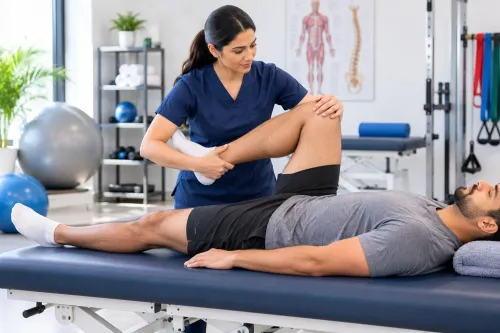
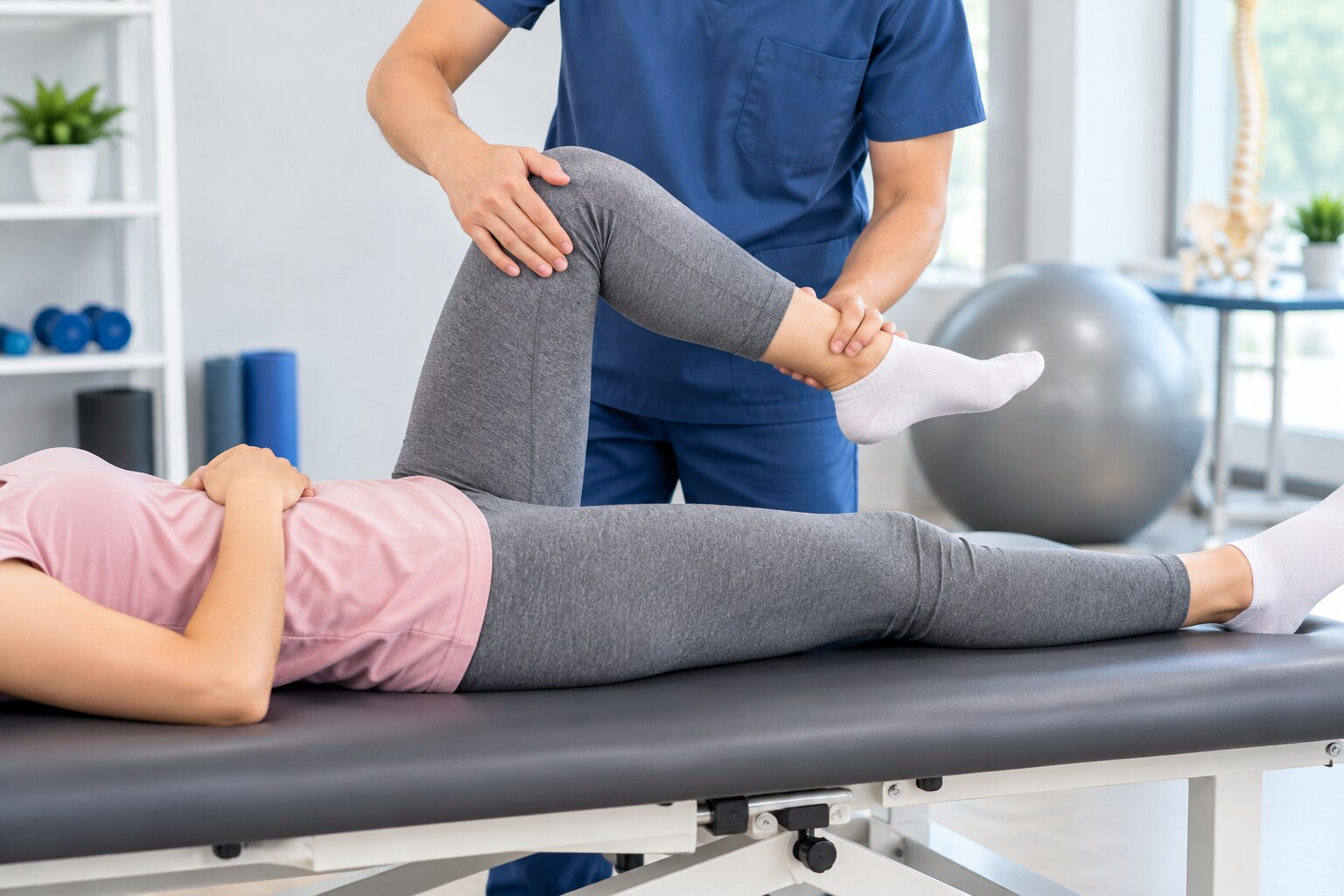
The clinician then observes walking, sitting, lifting or sport-specific movement, followed by posture assessment, range-of-motion checks and strength testing. If symptoms suggest nerve involvement, the examination includes sensation, reflexes and limb strength. Bring existing X-rays, MRI reports, blood tests and specialist letters for review.
Physical ailment care in Pune means assessing and managing muscles, joints, bones, tendons, ligaments, nerves and movement-related problems with an appropriately registered clinician. A scan does not replace a physical examination, and uncomplicated back pain does not automatically require an MRI; imaging is useful when it could change treatment or reveal serious disease.
Seek urgent medical evaluation for:
- Sudden or progressive weakness
- New loss of bladder or bowel control
- Saddle numbness
- Major trauma with inability to bear weight or suspected fracture
- Chest pain, or fever with severe back pain
- A hot, swollen joint
- Unexplained weight loss or a history suggesting cancer or infection
Emergencies, uncontrolled infection, suspected fractures and conditions requiring surgery or medication management need medical evaluation, not routine supportive movement care.
Which problems and functional limits can musculoskeletal care address?
Neck care focuses on what you cannot do: turn fully, work at a desk, use a phone, sleep comfortably or move without a headache linked to neck motion. Arm pain needs closer neurological assessment; refer promptly if numbness or weakness progresses.
| Area | Functional limits assessed | When management changes |
|---|---|---|
| Back | Sitting, bending, lifting, walking, sleeping and leg symptoms | Nerve compression, trauma, inflammatory disease or serious illness needs a different pathway from routine movement care |
| Knee | Walking, squatting, stairs, running, standing tolerance, swelling, locking or giving way | Knee degeneration, ligament injury or inability to bear weight can justify X-ray, MRI or specialist review |
| Shoulder | Overhead reach, dressing, lifting, lying on the painful side, range and strength | Ultrasound or MRI can change management when tendon injury, marked weakness or persistent loss of movement is suspected |
A slip disc assessment combines pain distribution with reflexes, sensation, strength and function; worsening weakness or widespread numbness warrants neurological referral. Carpal tunnel assessment checks night symptoms, thumb-side tingling, grip and hand weakness. Ligament injury assessment considers the injury mechanism, swelling, instability and load tolerance.
Musculoskeletal care in Pune should not promise a scan for every painful area. An X-ray helps assess bone injury or degeneration, ultrasound can examine accessible tendons and fluid, and MRI can clarify discs, ligaments or deep soft tissues when the result will alter treatment.
A physical pain clinic in Pune should screen for red flags before routine movement care.
What treatment, posture work and follow-up are included?
Active care includes an individually prescribed mix of strengthening and mobility exercises, graded exposure to sitting, standing, lifting or walking, posture retraining, ergonomic changes, activity modification, and warm-up or recovery advice. Written home exercises make practice clear, while progress reviews test whether the plan is working.
A postural care clinic in Pune should assess posture during workstation use, driving, lifting, stairs or sport—not treat one static standing position as a diagnosis. There is no single perfect posture; holding one rigid position can increase fatigue.
A treatment checklist may include:
- Strength and mobility work adjusted to your findings and tolerance
- Gradual practice of tasks that provoke symptoms
- Manual techniques when appropriate, used alongside exercise
- Workstation, footwear, driving or training adjustments
- Temporary changes to work or training load
- Written exercises and instructions for warm-up, recovery and symptom monitoring
Manual therapy is an adjunct to exercise, not a permanent realignment or stand-alone cure. Feeling better does not prove tissue healing, while pain can persist despite changed posture when nerve compression, trauma, inflammatory disease or joint degeneration is involved.
Appointments may be spaced according to assessment findings, and home exercises require regular practice without a promised recovery date. Reassessment can track pain during a named task, walking or sitting tolerance, joint range, strength, balance, sleep, exercise load and next-day symptom response.
How does care change for athletes, autoimmune conditions and scoliosis?
Athlete care extends beyond treating an injury. It can include baseline movement and strength testing, training-load review, warm-up design, conditioning, recovery planning, sport-specific drills and coach coordination. Return to sport should progress through symptoms, range, strength, power, balance, sport drills, training tolerance and psychological readiness—not elapsed time or pain alone.
Monitor symptoms after each load increase.
Autoimmune-supportive care is adjunctive, not a replacement for rheumatology, dermatology, orthopaedic or neurological diagnosis, medication, disease-modifying treatment or monitoring. Pacing, fatigue management, joint protection, mobility and adapted aerobic or strengthening work can support daily function. Active flares or unstable medical problems require medical review and reduced or adjusted exercise intensity.
For young adults with scoliosis, assessment can examine visible curvature, trunk balance, movement, breathing pattern and function. Imaging becomes relevant when the curve is uncertain, changing, symptomatic or needs specialist planning. Breathing exercises should match your pattern and goals, not appear automatically in every plan.
Progressive curves, neurological signs or severe pain need spinal specialist review.
A musculoskeletal care in Pune assessment or postural care clinic in Pune should therefore adapt the plan to your condition, goals and medical boundaries:
- Athlete: test readiness progressively and coordinate with training demands.
- Autoimmune condition: match exercise to disease activity, fatigue, joint damage and medical advice.
- Scoliosis: link posture and breathing work to function rather than assuming one “correct” position.
How do you decide whether a Pune clinic is the right fit?
Choose based on the problem you need solved: new pain, a long-standing condition, sports injury, post-treatment recovery or prevention without symptoms. Ask who will assess you, their professional registration and relevant qualifications, and whether they examine movement, strength, range of motion and neurological signs rather than relying on a scan.
| Option | Main emphasis | Choose it when |
|---|---|---|
| Integrated physical pain clinic in Pune | Function, movement, exercise progression and coordinated care | You need assessment, goals, a home plan and follow-up |
| Orthopaedic consultation | Diagnosis, imaging, injections or surgery | Trauma, structural injury or surgical decisions need review |
| Physiotherapy session | Rehabilitation and exercise | You need guided recovery or strengthening |
| Chiropractic treatment | Manual or spinal techniques | You specifically want that approach after suitable screening |
| General pain-relief visit | Short-term symptom relief | You need medication advice, but not necessarily functional assessment |
Ask for a written home plan, measurable goals, progress tracking, privacy protections and a clear emergency-referral process. Physical ailment care in Pune is a poor fit if no one explains who receives your records or how progress will be judged.
Pro Active Clinic is one example to assess against these questions, not a substitute for checking credentials.
Near Erandwane or Bharati Niwas Colony, check the appointment method, consultation duration, clinician language options, building access, follow-up availability and secure record sharing. Location does not determine clinical quality. Bring scans, reports, medication details, a symptom timeline, relevant footwear or work equipment, and your main functional goal.
Choose supportive movement care only after emergency, fracture, infection, progressive neurological loss, and medication-or-surgery needs have been screened out.
Frequently asked questions
What happens during the first physical ailment care appointment?
You discuss when symptoms began, what changes them, how they affect sleep and daily activity, plus your work, exercise, injuries, medical conditions and medication. The clinician then assesses movement, posture and functional limits.
Which problems and functional limits can musculoskeletal care address?
Musculoskeletal care can address pain, stiffness, reduced range of motion, weakness, balance difficulties and movement restrictions affecting work, exercise or everyday activities.
What treatment, posture work and follow-up are included?
Care may combine hands-on treatment, therapeutic exercise, posture and movement retraining, activity guidance and a home programme. Follow-up checks progress and adjusts the plan.
How does care change for athletes, autoimmune conditions and scoliosis?
Athletes need activity-specific assessment, load management and injury-prevention planning. Autoimmune conditions require attention to symptoms, fatigue and medical treatment. Scoliosis care focuses on spinal alignment, movement, posture and function.
How do you decide whether a Pune clinic is the right fit?
Check whether the clinic assesses your actual functional goals, explains the treatment plan, coordinates with relevant doctors when needed and offers follow-up for measuring progress.